
AI, commodities and the cost of capital

The biggest risk in credit may not be a collapse in corporate fundamentals. It may simply be that there is too much debt competing for the same pool of investible cash, while the cost of building and maintaining the physical economy is becoming more expensive.
The Burnham bounce in bonds may be behind us
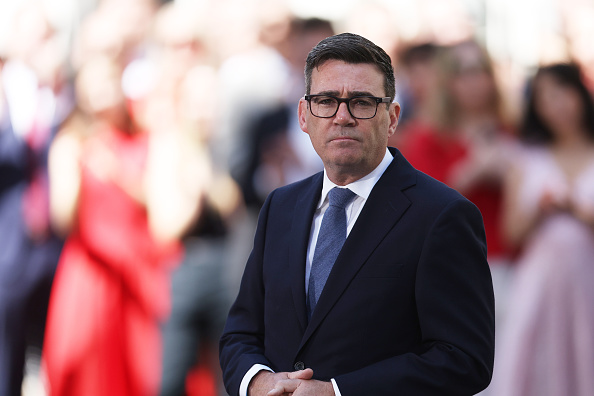
There is no doubt that the summer of 2026 will be remembered for two things: the remarkable run of sunshine in the UK and the relative smoothness of the Labour Party’s leadership transition.
Oil: Too Calm, Too Soon?
Assistant Fund Manager Kishan Paun argues that oil prices may be reflecting relief, not reality. He examines the risk that depleted buffers and ongoing supply constraints remain underappreciated by markets.
Deglobalisation: Downing the desire for duration

Simon Prior, Fund Manager, discusses why deglobalisation is marking a shift from decades of disinflation, bringing renewed inflationary pressures through fragmented supply chains and higher costs. He explains why in this environment, the team favour short-duration fixed income assets offering positive real returns, as traditional duration hedges become less effective.
Starmer Drama
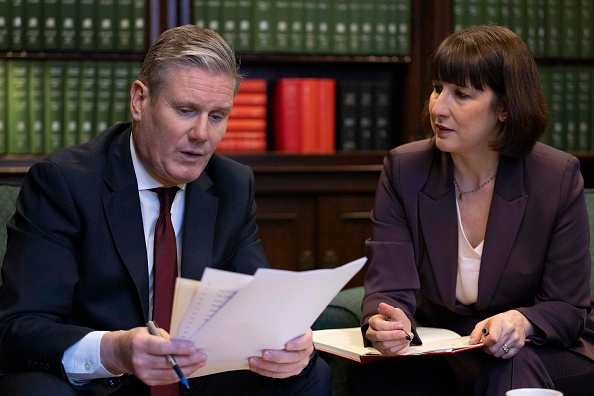
Lloyd Harris, Head of Fixed Income, discusses why, as UK borrowing costs push higher, attention often turns to political developments, when, in reality markets are responding to deeper structural issues around debt, policy and credibility.
Trump the “paper tiger”. The move from Iran’s implicit leverage to explicit control in the Strait of Hormuz

Iran’s shift from implicit to explicit control of the Strait of Hormuz marks a structural change for markets. Lloyd Harris, Head of Fixed Income, examines why higher transit costs, persistent disruption risk and inflationary pressure may outlast the ceasefire.
The supply chain shock no one is talking about

When investors think about the Strait of Hormuz, they think about oil. Brent currently stands at $112 (19.03.26) and tanker traffic is down over 90%. This is widely considered to be the largest energy disruption in modern history. All true, and all completely visible, but every headline draws attention away from where the real pain is building.
2026 Fixed Income outlook: Running it hot, staying short

Going into 2026, the fixed income landscape is still shaped by a decisive break from the 2010–2021 regime of zero interest rate policy (ZIRP) and quantitative easing (QE). Positive real yields remain across the major developed markets, enabling investors to earn inflation‑beating returns while maintaining short duration and minimal credit exposure.
Europe’s industrial reckoning: protectionism or extinction
Europe’s industrial base is under pressure from global competitors with its legacy sectors like autos, steel, and chemicals being displaced. Assistant Fund Manager Kishan Paun highlights how Europe is grappling with declining competitiveness and rising inflation.
SAR’s in their eyes: the turning tide in UK water utilities

News broke yesterday morning that the government has lined up FTI Consulting as the likely administrator for Thames Water, should the company enter a Special Administration Regime (SAR). This marks a critical moment for Britain’s largest water utility, which serves around 16 million customers and is burdened by nearly £20 billion of debt….